
The Psychology of Hope in Games of Chance
Gambling, at its core, is an interplay of skill, strategy, and pure chance. However, a significant, often overlooked, element is the profound psychological impact of belief. Players often enter a casino environment with a deeply ingrained sense of hope, a belief that this particular session will be the one where luck turns in their favor. This belief isn’t always rational; it can be fueled by past minor successes, superstitions, or simply the allure of a life-changing win. For instance, many players might consider trying out a new online platform like Realz Casino, hoping it will be their lucky break.
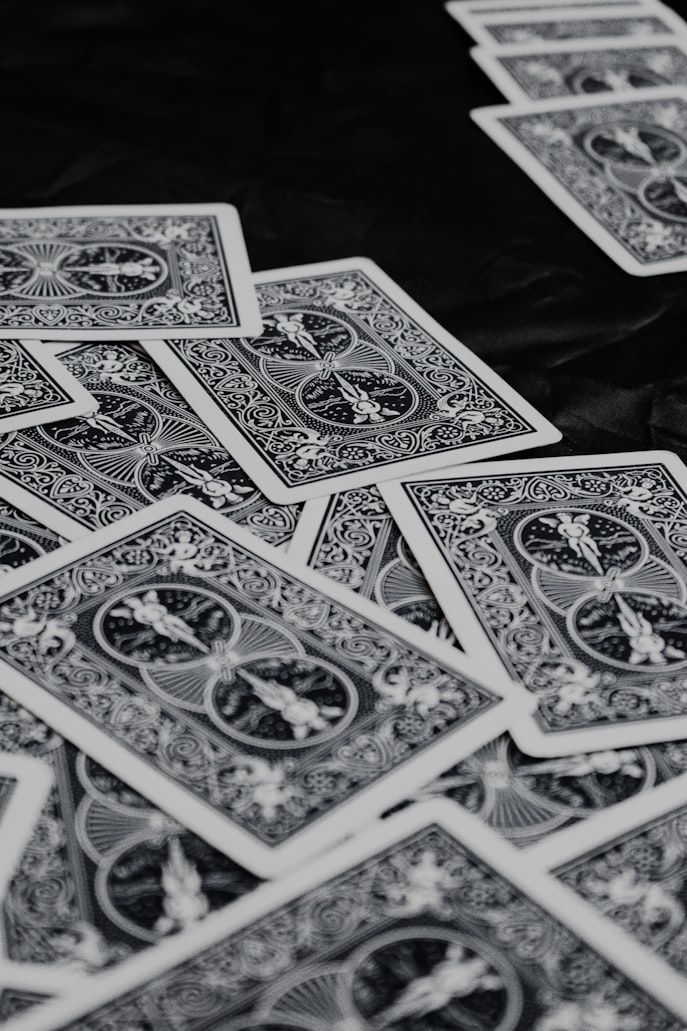
This psychological scaffolding of belief is what makes gambling so captivating. It provides a narrative, a story of potential triumph against the odds. Whether it’s believing in a “hot streak” at the roulette table or a “lucky charm” for slot machines, these beliefs shape the player’s experience and their willingness to continue playing. The anticipation of a win, driven by this internal conviction, creates an emotional investment that transcends the purely financial.
Superstition and the Gambler’s Mindset
The connection between gambling and superstition is well-documented and deeply entrenched. Many individuals develop personal rituals or adhere to specific beliefs that they feel influence their luck. These can range from wearing a particular piece of clothing to avoiding certain numbers or betting patterns. While logically these actions have no impact on the random outcome of a game, for the believer, they serve to create a sense of control in an inherently uncontrollable environment.
This reliance on superstition highlights how a player’s mindset is crucial. A strong belief in a lucky number, for instance, can lead to more confident betting and a more enjoyable experience, even if the number never appears. The act of adhering to these superstitions provides a psychological buffer against the inevitable losses, reinforcing the belief that they are actively influencing their destiny rather than simply being subject to random chance.
The Role of Cognitive Biases in Gambling Decisions
Cognitive biases play a significant role in how individuals perceive and engage with gambling. The “gambler’s fallacy,” for example, is the mistaken belief that if something happens more frequently than normal during a given period, it will happen less frequently in the future, or that if something happens less frequently than normal during a given period, it will happen more frequently in the future. This directly impacts betting decisions, leading players to chase losses or abandon winning streaks based on faulty logic.
Other biases, such as the “illusion of control,” contribute to the belief that one can influence random events. Players might believe their specific betting strategy or timing can impact the outcome of a slot machine or card game, when in reality, these are governed by random number generators and shuffling algorithms. These cognitive distortions reinforce the player’s belief in their ability to influence luck, further entrenching them in the gambling cycle.
Belief in Strategy and Skill in Games of Chance
While chance is a dominant factor in many casino games, the belief in strategy and skill can significantly alter a player’s approach. Games like poker or blackjack, which involve elements of decision-making, allow players to cultivate a belief in their tactical superiority. This belief can stem from learning optimal strategies, understanding probability, and developing an intuition for reading opponents or game flow.
Even in games perceived as purely chance-based, like roulette, players often develop intricate betting systems. The belief that these systems can consistently yield profits, despite statistical evidence to the contrary, is a powerful motivator. This conviction in their own clever approach and analytical ability fuels their engagement and provides a sense of agency, making the gambling experience more intellectually stimulating and personally rewarding, irrespective of the ultimate outcome.

Navigating the Digital Casino Landscape
In the realm of online casinos, the connection between belief and the gambling experience remains potent. Players often carry their offline superstitions and strategic beliefs into the digital space. The convenience and accessibility of online platforms may even amplify these tendencies, allowing for more frequent engagement with the belief that the next click or bet could be a winning one. The visual and auditory cues present in online games are designed to enhance the immersive experience, further solidifying the player’s emotional investment and their belief in potential fortunes.
It’s important for players to approach online gambling with a grounded perspective, recognizing the pervasive influence of belief and cognitive biases. Understanding the psychological underpinnings of gambling behavior can empower individuals to make more informed decisions. While the allure of a win is undeniable, maintaining a clear-headed approach, even when fueled by hope and belief, is paramount for a responsible and enjoyable gaming experience in any casino environment.